

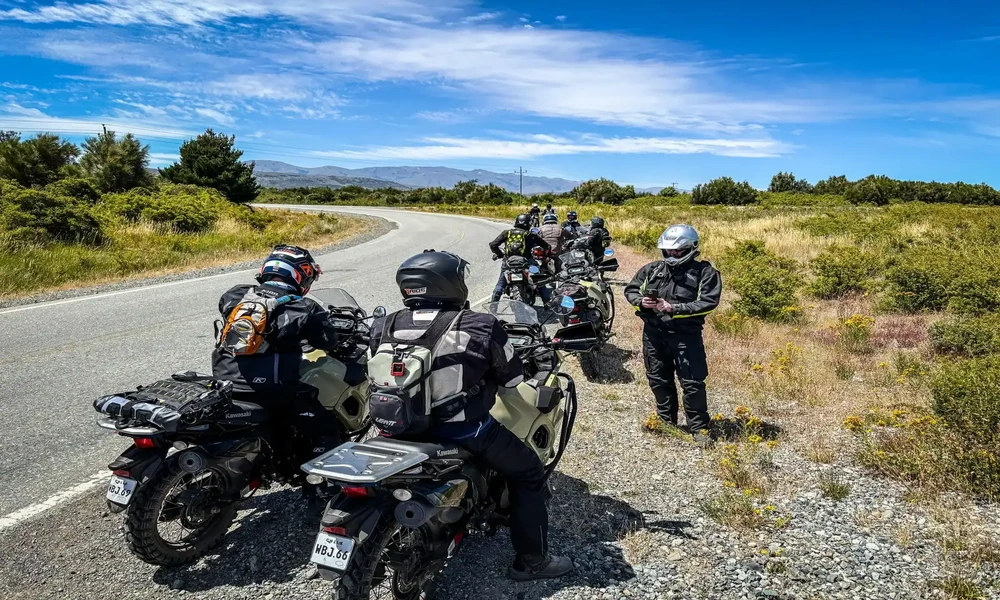
A road trip through high-altitude regions offers an opportunity to explore mountain landscapes, quiet villages and breathtaking viewpoints. However, travelling at higher elevations requires more preparation than an ordinary road journey. Lower oxygen levels, unpredictable weather, steep roads, and limited facilities can make the experience challenging. Careful planning helps travellers enjoy the journey while staying safe and comfortable.
Whether you are planning an iconic Himalayan overland journey like travelling from Pokhara to Muktinath by road or exploring remote mountain passes elsewhere in the world, the core principles of high-altitude preparation remain the same. Each route presents distinct shifts in terrain, temperature, and elevation that test both driver and machine, making a structured approach essential before you set off.
Research Your Destination and Route
Start by understanding the region you plan to visit. Identify the main roads, mountain passes, fuel stations, accommodation options, and medical facilities along the route. Some high-altitude roads may be closed during certain seasons because of snowfall, landslides, or maintenance work.
Check official travel advisories and local road updates before departure. It is also useful to identify alternative routes in case unexpected closures affect your original plan.
Prepare Your Vehicle for Mountain Conditions
Your vehicle must be in good condition before entering high-altitude terrain. Arrange a complete inspection and pay attention to the brakes, tyres, engine oil, coolant, battery, and lights. Make sure the spare tyre is usable and carry basic repair equipment.
For motorcycle journeys, inspect the chain, clutch, suspension, and tyre pressure as well. A well-maintained vehicle is better prepared to handle steep climbs, sharp bends and uneven surfaces.
Understand the Effects of High Altitude
Higher elevations have lower oxygen levels, which can affect the human body. Some travellers may experience headaches, dizziness, nausea, tiredness, or difficulty sleeping. These symptoms can indicate altitude sickness.
Plan a gradual ascent whenever possible and allow time to adjust to the elevation. Avoid strenuous activities immediately after reaching a high-altitude destination. Stay hydrated, get enough rest, and avoid travelling higher if symptoms develop. Seek medical attention if symptoms become severe or worsen.
Pack According to the Weather
Mountain weather can change quickly, even during warmer months. Carry clothing that can be layered, including thermal wear, a waterproof jacket, warm socks and comfortable footwear. Sunglasses, sunscreen and moisturiser are also useful because sunlight can be intense at higher elevations.
Your travel bag should also include:
- A first-aid kit and personal medication.
- Drinking water and non-perishable snacks.
- A torch and power bank.
- Identification and vehicle documents.
- Emergency contact information.
Plan Fuel Stops and Accommodation
Fuel stations, restaurants, and accommodation facilities may be widely spaced in remote mountain regions. Estimate fuel requirements before starting each section of the journey and refill whenever a suitable opportunity is available.
Book accommodation in advance during busy travel seasons. Choose places that offer basic facilities, reliable heating, and reasonable access to medical assistance.
Allow Extra Time for Travel
Mountain roads often require slower driving because of narrow lanes, steep slopes, and sharp turns. Avoid planning long distances each day. Include breaks for meals, rest, and sightseeing, and try to reach your accommodation before dark.
Download offline maps because mobile connectivity may be unreliable in remote areas. Share your travel schedule with family or friends so someone knows your expected route.
