

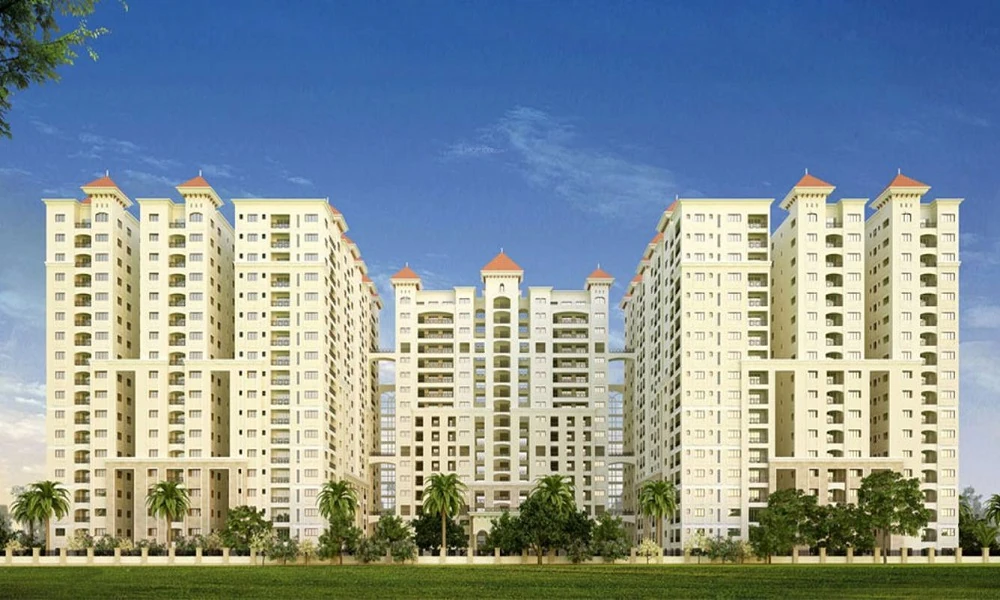
Buying an apartment is an exciting milestone, but the financial responsibility does not end after paying the purchase price. Homeowners also need to consider regular maintenance expenses to keep their property comfortable, safe, and functional. When exploring residential options such as Parkland Kalyan, buyers should look beyond the apartment cost and understand the ongoing expenses associated with living in a residential community. Planning for maintenance charges from the beginning can help families manage their monthly budgets and avoid unexpected financial pressure in the future.
1. Understand What Apartment Maintenance Charges Include
Apartment maintenance charges are payments collected from residents to manage and maintain common facilities within a residential building or complex. These expenses help ensure that shared spaces remain clean, safe, and operational.
Common maintenance expenses may include:
- Cleaning of corridors, lobbies, and common areas.
- Maintenance of lifts and electrical systems.
- Security personnel and CCTV surveillance.
- Gardening and landscaping services.
- Water supply and common-area electricity.
- Waste collection and disposal.
- Repairs to shared infrastructure.
The actual charges depend on the size of the property, facilities available, building arrangements, and maintenance management system. Buyers should request a detailed breakdown before finalising their purchase.
2. Amenities Can Influence Monthly Expenses
Modern residential developments offer several lifestyle facilities, including swimming pools, gyms, clubhouses, landscaped gardens, children’s play areas, and indoor sports facilities. While these amenities improve the living experience, they may also increase the overall maintenance requirements.
For example, swimming pools require regular cleaning, water treatment, and equipment maintenance. Clubhouses and fitness centres also need electricity, cleaning, and periodic repairs.
Projects such as Runwal Central Avenue Dombivli can be included in a homebuyer’s research when comparing modern residential options and their lifestyle facilities. Buyers should check which amenities are included, whether their usage involves additional fees, and how the common maintenance expenses are calculated.
3. Calculate Maintenance Costs Along With Your Monthly Budget
One common mistake buyers make is calculating only their home loan EMI while ignoring other recurring expenses. Maintenance charges should be considered alongside electricity bills, water expenses, property taxes, internet bills, and other household costs.
For example, even a property with an affordable purchase price may require a higher monthly budget if it has extensive common facilities or additional service charges.
Before purchasing an apartment, buyers should ask the developer or society management about the expected maintenance amount, payment frequency, and possible future revisions. This helps families understand their actual monthly financial commitment.
Residential options such as Mahavir Tranquil Thane can also be considered while comparing properties, but buyers should independently verify the applicable maintenance structure and charges rather than making assumptions based on the project name or advertised facilities.
4. Sinking Funds and Unexpected Repair Expenses
Apart from regular maintenance payments, residential societies may collect contributions towards a sinking fund or other designated repair funds, depending on the applicable arrangements.
These funds help societies prepare for major future expenses, such as lift replacements, waterproofing, structural repairs, painting, plumbing work, and electrical upgrades.
Having a properly managed reserve fund can reduce the financial pressure on residents when significant repairs become necessary. Buyers should ask whether such funds are collected separately, how they are managed, and what expenses they are intended to cover.
Understanding these details before purchasing a property can help avoid confusion about additional payments later.
5. Check the Maintenance Management System
The quality of maintenance management is just as important as the amount charged. A well-managed residential community usually has a clear process for handling complaints, collecting payments, arranging repairs, and maintaining shared facilities.
Buyers should understand whether maintenance will initially be handled by the developer, a facility management company, or a registered housing society. They should also ask about payment schedules, receipts, transparency in expenses, and the process for reporting maintenance issues.
Projects such as Meridian Shilphata can be part of a wider property comparison when researching residential developments. Buyers should review the available maintenance information and understand how facilities will be managed after possession.
6. Avoid Unexpected Financial Surprises
Before signing a property agreement, carefully review the payment schedule and identify any additional charges related to maintenance, parking, common facilities, deposits, or society formation, wherever applicable.
Do not rely only on verbal explanations. Ask for written details and clarify whether quoted maintenance charges are monthly, quarterly, or annual. It is also useful to understand whether taxes or other applicable charges are included.
Conclusion
Apartment maintenance costs are an important part of long-term homeownership. Understanding these expenses helps buyers plan their finances, maintain their property, and enjoy residential facilities without unnecessary stress.
Before choosing a home, compare maintenance charges, available amenities, repair funds, management arrangements, and additional expenses. A good property decision is not just about purchasing an apartment at the right price; it is also about choosing a home that remains financially comfortable to maintain over the years.
