Are you about to visit the Great Kaziranga National Park? In the midst of tall grass and forest cover, Kaziranga National Park is a leading wildlife park in Assam, the home of the largest population of one-horned rhinoceros in the world. Let us look at the best safari zones and timings to optimise your trip!
Best Safari Zones in Kaziranga
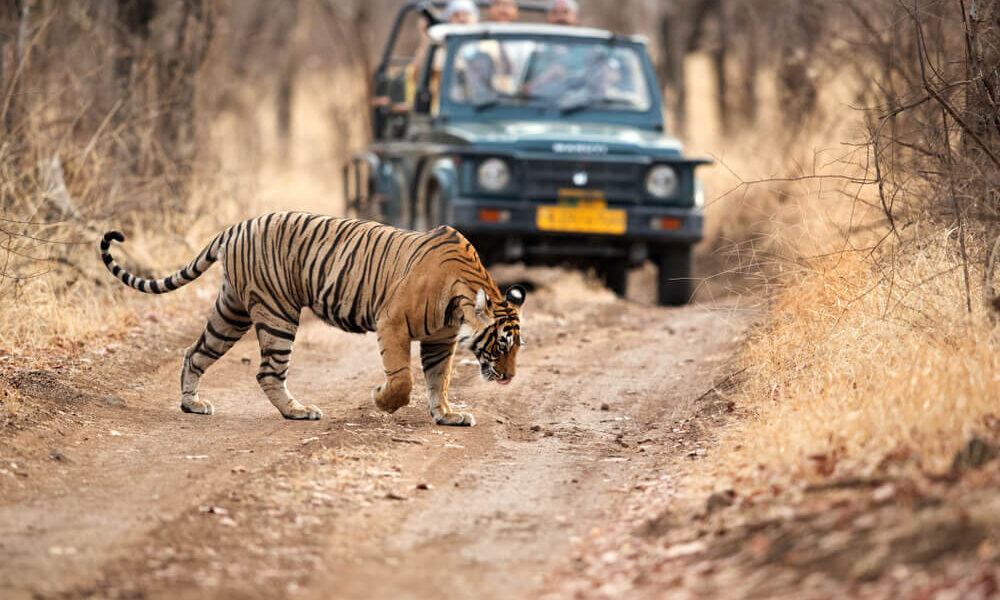
Kaziranga has major areas that have their own distinct landscapes and wildlife viewing experiences. The most popular one is the Central Range (Kohora), which is rich in rhino populations, elephants and a variety of birds in the open grasslands. Western Range (Bagori) offers fewer noise trails that have tigers, leopards and swamp deer along river forests. The Eastern Range (Agaratoli) is the region that offers the best waterbirds and rare species such as the Bengal florican, whilst the west (Burapahar) is a hilly terrain that would be a good spot to view birds.
General Safari Schedule
The safaris are only done during the dry seasons, from mid-October to mid-May. The morning and afternoon sessions see the height of activity of the animals, and the number of vehicles are limited in each zone to 12-15 jeeps per session to cause minimal disturbance. Online booking via the Assam forest portal is necessary since places are sold out weeks before, especially during the winter seasons.
Jeep Safari Timings
So that you can spot the maximum number of animals, jeep safaris are operated twice a day. Morning slots usually cover 7.30 AM to 11.30 AM in different zones, and the active herds are caught in fresh light. Afternoon explorations between 1.30 PM and 4.35 PM are relaxed, but animals move out of the heat in the midday. Each safari will take 2 hours; sub-slots such as 7:20-9:30 AM can be modified.
Elephant Safari Timings
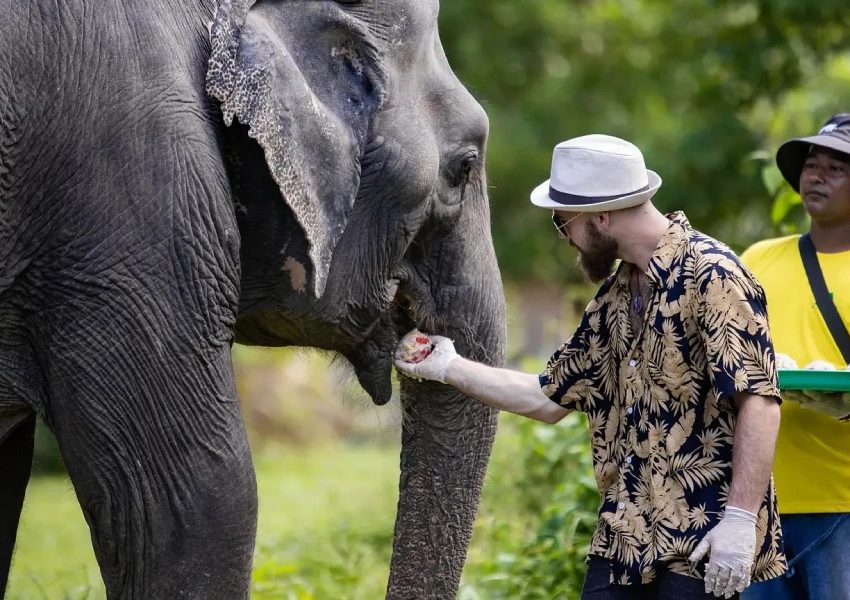
Elephant rides operate exclusively during the early-morning shift, providing close-up views of wildlife. Central and Western ranges operate from 5:00 AM to 7:00 AM, divided into hourly batches for 20-30 guests per ride. These 1-hour treks navigate tall grass where jeeps cannot go, increasing the chances of encountering rhinos and tigers.
What to Expect on a Safari
Expect rough journeys through floodplains with sightings of rhinos, wild water buffalo and more than 500 species of birds. The best views are in the mornings, with the herds grazing around the watchtowers, and the afternoons are attractive with birds and the photography of the golden hour. Guides provide information on conservation; they carry binoculars, hats, water, and cameras. Peak season (December-March) fills fast, so advance online bookings ensure entry. You can plan as per your preferences by going for hotel booking online in India.
Preparation Tips
Dress in neutral tones, apply repellent, and opt for mornings over afternoons for activity. Permits cost INR 1,500-2,500 per jeep; elephants cost around INR 1,000-1,500 per ride. The park remains closed from May to October due to monsoons.
Final Thoughts
The Kaziranga safaris provide an exciting and very relaxing experience in the wild heart of Assam, in locations that are full of rhinos, tigers, and colourful birds that reflect the success of conservation in India.
You can either hunt the rare predators or relax in the beat of the ecosystem, but time your winter visit to the park when the air is crisp and you will get the best sightings. You will leave the park in awe of the beauty of nature and the park’s importance in its conservation.